Emergencies do not reveal themselves. A colleague slumps at a workdesk, a child breathes in water at the swimming pool, a neighbor cuts deeply while cooking. In each situation, somebody close by comes to be the initial responder. Whether that individual ices up or acts depends much less on fearlessness and even more on training. A consolidated first aid and CPR course offers day-to-day people the ability and self-confidence to relocate emphatically when mins matter.
I have instructed first aid courses and CPR training to office teams, instructors, brand-new parents, tradies, and treatment employees. No 2 courses feel the exact same, yet the reward repeats: individuals leave recognizing what to do, when to do it, and what to avoid. They also entrust to a first aid certificate that companies acknowledge. The credential matters, however the actual value hinges on the judgment that expands from hands-on technique and truthful discussion of genuine incidents.
What "all set" in fact looks like
Readiness is more than memorizing acronyms. It is the capability to scan a scene for threats, choose top priorities, and start the best activities in the best sequence. In first aid training we simulate the mayhem: noise, onlookers, unpleasant areas. Your mind discovers to tighten its emphasis and comply with a strategy. When a real emergency gets here, that strategy punctures adrenaline and doubt.
Readiness additionally implies understanding limits. A good first aid course does not try to make you a clinician. Rather, it draws a border around what lay -responders need to do. You find out just how to acquire time, avoid degeneration, and hand over to experts with a clear, concise report.
Why pair first aid and CPR
CPR by itself conserves lives in heart attack, yet numerous emergency situations begin as another thing. An allergy cascades to an airway problem. A seizure results in head trauma. A suspected spine injury complicates breathing evaluation. A mixed first aid and cpr course prepares you for the chain of occasions, not simply a solitary string. You practice the transitions: from evaluating threat to inspecting response, from regulating hemorrhaging to requiring a defibrillator, from recovery position to breast compressions if breathing fails.
Another reason to incorporate them is retention. Skills discolor without usage. The selection in first aid and cpr courses maintains individuals involved enough time for muscle mass memory to take hold. I have viewed pupils that struggled with compressions in the very first hour become crisp and certain by the end of the day after revolving through circumstances that weave CPR with burns, choking, and shock.
What a solid program covers
Programs differ by area, however the core content shares a backbone that maps to actual occasions. An excellent quality first aid course, especially one run by a first aid pro with knowledgeable teachers, often tends to consist of:
Primary survey and scene safety and security. You find out to try to find threats like traffic, electrical energy, gas, or aggressive behavior, then to inspect action, respiratory tract, breathing, and flow. The series matters more than the letters people argue around. In technique, it is a smooth flow: is it secure to method, can the person respond, is the air passage open, are they breathing usually, do they have significant bleeding.
Calling for help. This appears minor up until you attempt to stay tranquil, provide a specific location, and summarize what is happening while you are stooping on a shop floor. We drill this since a clear very early phone call brings the right sources sooner.
CPR and defibrillation. A cpr course obtains you on the manikin for compressions that strike depth and price, approximately 5 to 6 centimeters at 100 to 120 per minute for adults, with complete chest recoil. You exercise breaths making use of barrier devices and you discover hands-only CPR for when a mask is not available. Automated external defibrillator use becomes acquired behavior: turn it on, adhere to triggers, clear prior to shocks.
Airway and breathing problems. We cover choking for every ages, from back strikes and abdominal embed grownups to modified strategies in babies. You learn to find and manage bronchial asthma flare-ups, hyperventilation, and presumed anaphylaxis, including auto-injector usage if your jurisdiction permits lay use.
Serious blood loss and shock. Straight stress, wound packaging when ideal, improvised and industrial tourniquets, and altitude methods. Individuals usually think twice to make use of a tourniquet. In course after program, a simple, timed workout demonstrates how swiftly blood loss adds up and why decisive action conserves arm or legs and lives.

Medical emergencies. Indicators of heart attack and stroke are misread more often than they are missed. Students find out to pick up irregular symptoms, specifically in females and people with diabetic issues. We additionally touch on diabetic lows and highs, seizures, and opioid overdoses where naloxone might be available.
Injuries. Cracks, strains, head injuries, and presumed back injuries call for steady handling and profundity. You exercise stablizing and when to leave well sufficient alone up until specialists arrive.
Burns, attacks, and ecological dangers. Cooling burns with great running water for 20 mins, not ice. Avoiding ointments that catch warm. Handling warmth disease and hypothermia with basic, efficient steps. Identifying when attacks or hurts requirement immediate attention.
Post-incident treatment. Tidying up, recording, and coping. Individuals forget this component. After an intense occasion, bystanders in some cases tremble for hours. Training courses that recognize that stress and deal simple debrief strategies aid people recover.
Not every session strikes every subject at the exact same deepness. A building and construction team might spend more time on crush injuries and bleeding. A child care group will drill pediatric respiratory tract administration. The usual thread is realistic look, proper method, and decision-making.
Certification, revivals, and why refreshers matter
A first aid certificate is generally legitimate for 2 to 3 years depending upon regional policies. CPR certifications are often legitimate for 12 months. Those timelines are not random. Studies reveal quantifiable ability decay within 3 to 6 months for CPR if not practiced. By a year out, compression depth and rate drift, hand placement wanders, and people forget just how to run an AED without additional prompts.
A cpr correspondence course is the antidote. Short, focused, hands-on practice resets muscle mass memory. I urge teams to arrange refreshers more frequently than the formal need when viable, particularly in work environments with greater risk. If spending plans are limited, turn personnel so at least some people are fresh each quarter. Also 20 mins of exercise with a feedback manikin boosts performance.
For combined programs that blend online theory with an in-person session, maintain the hands-on component. Video clips assist with concepts, yet absolutely nothing changes the feel of an upper body recoiling under your palms or the audio of an AED introducing rhythm analysis.
How to select the right provider
Credentials and logos apart, the teacher forms your experience. Try to find a service provider whose instructors have both certification and area direct exposure. A paramedic that teaches on weekends brings stories that stick. An experienced college registered nurse can describe refined pediatric cues better than a script can. Additionally inspect course dimension. Once a group goes much beyond a dozen, manikin time declines and silent students hide in the back.
Ask regarding tools. Modern training manikins give immediate comments on compression depth and price. AED trainers must match the models usual in your area. For first aid circumstances, easy props go a lengthy way: tourniquets, wound packs, epi-pen trainers, and inhaler spacers. Training courses that reduced edges below leave people underprepared.
CPR Training BelmontConsider relevance. General first aid courses are a strong base, but a customized module makes a distinction. A friendliness group gain from added focus on burns, cuts, and drunkenness. Exterior guides need environmental and postponed evacuation techniques. Moms and dads appreciate time on choking dangers and fever management.
Finally, make clear the assessment. Good programs do not fall short people for nerves. They coach, offer 2nd chances, and ensure you can show safe, effective technique before releasing the certificate. If a program seems to rush the check-off, keep looking.
What the very first minutes appear like in practice
Picture a late mid-day in an office. A 58 years of age staff member falls down near the printer. Two associates listen to the thud. This is how skilled responders make a difference.
They check for risks, see none, and method. One taps and shouts to inspect responsiveness. No feedback. The respiratory tract looks clear, the breast is still. They inspect breathing for approximately 10 seconds. Not regular, potentially agonal. One calls out for someone to call emergency situation solutions and bring the AED from the lobby. The various other starts compressions in the center of the breast at a constant rhythm. Thirty seconds later, an onlooker slides the AED throughout the flooring. Pads take place, prompts overview them, a shock is suggested. They clear the individual and press the button. Compressions return to right away later. When First Aid Certificate Cambelltown paramedics get here, they discover a worked with initiative currently in progress. Survival chances leap due to the fact that the chain of survival began early.
The very same day, in a different structure, someone slices their forearm on a steel bracket. Blood streams fast. A qualified colleague handwear covers up, applies company straight stress with a folded up towel, and maintains it there without peeking. They add a bandage over the leading and keep stress. When the cloth saturates through, they add a lot more ahead instead of removing the first layer. Bleeding slows, and they boost the arm or leg as practical. If hemorrhaging does not react to pressure, they apply a business tourniquet 2 to 3 inches above the wound, keep in mind the moment, and call for transport. The actions take less than a min to begin, however they stop significant blood loss.
These are average individuals doing the appropriate things in the best order. The confidence comes from hands-on repetition and knowing what not to do.

What not to do, and why it matters
Old misconceptions die hard. Ice on burns, tilting the head back throughout a nosebleed, fish-hooking fingers right into a respiratory tract throughout choking, slapping somebody taking, forcing water into an unresponsive individual's mouth. A first aid course knocks these practices down with basic descriptions. Ice aggravates cells damages in burns; use trendy running water instead. Nosebleeds favor onward tilt with stress on the soft part of the nose. Blind finger brushes up press obstructions deeper. Seizures require a clear area and mild protection of the head, not restraint. Liquids go only right into individuals that are awake and can swallow.
The second category of blunders originates from reluctance or overreach. Hesitation prevails with CPR. Individuals are afraid breaking ribs or doing it wrong. Broken ribs can take place, and they are a little price for distributing blood to a mind. Overreach turns up when somebody tries to straighten a bone, carry out a drug outside their extent, or relocate an individual with a suspected back injury without an engaging reason. Training helps you identify when to act fast and when to maintain and wait.
Building a culture of response at work
One educated individual assists. A trained group modifications results. Workplaces that commit to regular first aid and cpr training see faster reaction times and less avoidable complications. Plans back this up: clear event reporting, stocked and examined first aid sets, AEDs put where individuals collect, and drills that consist of likely scenarios.
If you take care of a group, remove friction. Release the place of first aid sets and AEDs. Post local emergency situation numbers if they vary from the default. Offer -responders authorization to quit what they are doing and take fee during an occurrence. Acknowledge their initiative later, even if the outcome is not perfect. Individuals pick up from near misses more than from lectures.
Cost matters as well. A full day program for a team of 10 may run the like a minor devices lease, yet it lowers lost time injuries and obligation. Insurance policy carriers notice. Much more notably, your team notice that you value their safety.
Practical kit advice from the field
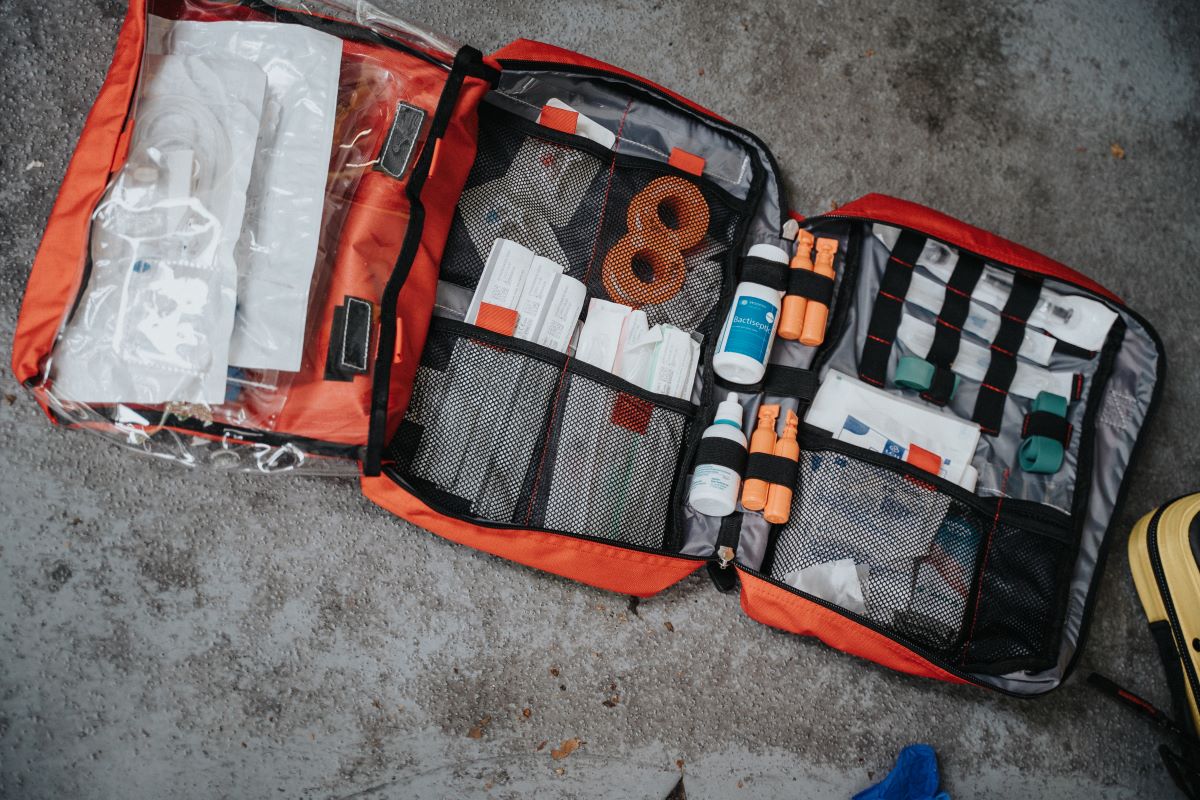
Fancy gear stands out, but a well considered standard set addresses extra issues. Keep gloves that fit several hand sizes, an assortment of sterilized dressings, cohesive bandage wraps that stick to themselves, a versatile splint, saline or clean water for irrigation, a CPR face guard or mask, and a tourniquet you have actually experimented. Include a few instantaneous ice bags for strains, a thermal covering, and alcohol hand rub. Store any type of workplace certain products as policy enables, such as epi-pen trainers for education and extra spacers for inhalers.
Check expiry dates and replenish checklists at least quarterly. Tag packages clearly and maintain them in steady, available places. I have seen spotless packages locked in hardly ever utilized workplaces while people in the workshop taped gauze with strapping tape. Bring the set to the job, not the work to the kit.
Training for family members and neighborhood groups
Not all first aid training requires to be workplace certified. Neighborhood sessions run by respectable suppliers bring neighbors, trainers, and parents together for skills that match their lives. A two hour evening on infant CPR and choking offers new moms and dads a feeling of agency. A weekend break refresher for a football club develops feedback to concussions and sprains, with an honest talk on return-to-play decisions. Belief teams usually organize blended sessions that construct social bonds in addition to skills.
For family members, repeating connections to every day life. Exercise the healing setting with older youngsters in a lively way so they remember the auto mechanics. Go through exactly how to call for assistance from your home address, and tape that attend to near the main phone for babysitters. If you have a pool, placed a sign with the property's coordinates where responders can see it.
Learning from real incidents
Case evaluates relocation abilities from concept to instinct. After a local café proprietor fell down at closing time, team who had done cpr training three months earlier put their finding out to function. Their AED stunned twice prior to paramedics arrived. He left the health center a week later neurologically undamaged. The team debriefed what went well and what felt messy. They recognized the AED pads were tucked too far back in a cupboard and relocated them to the door. They likewise scheduled a cpr correspondence course for brand-new hires so the knowledge did not rest with simply 2 people.
On a building and construction site, an employee suffered a deep laceration to the thigh from sheet steel. A supervisor, fresh from a first aid course, loaded the injury strongly with sterile gauze, applied a tourniquet, and tracked time. He informed paramedics on the mechanism of injury and interventions. Specialists later on told him the quick control of bleeding preserved viable tissue. That website included a 2nd tourniquet to each set and ran a short drill during their following tool kit talk.
These stories are average heroism. Training made them possible.
What you can expect during the training course day
People show up with combined feelings. Some fear executing in front of others, some fret about bacteria on the manikins, some lug a memory of a poor outcome. An excellent instructor softens the space with clear expectations and a pace that alternates talk and technique. You will certainly press on manikins, method breaths with single-use obstacles, rehearse choking methods on training vests or dummies, and rotate via presented situations. Expect sincere responses, not reproaching. Expect to duplicate up until it feels natural.
The concept sectors use plain language. You will certainly learn exactly how to check out regular and irregular breathing, just how to detect shock without a high blood pressure cuff, and exactly how to distinguish passing out from seizure. There is no trick examination. The goal is risk-free competence.
Wear comfortable clothes, bring water, and speak out regarding any kind of past injuries so adjustments can be made. The majority of service providers can accommodate flexibility distinctions, hearing or vision demands, and maternity with little adjustments.
The legislation, obligation, and practical boundaries
People worry about lawful risk. In lots of locations, Do-gooder regulations protect lay responders that act in excellent belief within their training. There are limits and variations by jurisdiction, but if you do what a practical individual with your training would do, and you do not abandon the individual when you start, defense usually applies. Courses commonly consist of a brief review of regional rules.
At job, policies may add structure. Some functions consist of a formal initial aider designation with allocations or lineup considerations. Clear paperwork matters in those contexts: what you found, what you did, and who you handed over to. For the public, a short note to yourself suffices for memory, yet do not allow documentation obstruct of care.
Digital discovering and reality checks
Online components serve for ideas, lawful frameworks, and signs and symptoms. They do not instruct you the feeling of a breast bone under your hands or the rhythm you require to keep going for two straight mins. If your schedule pushes you toward an online only program, add technique. Obtain a manikin through a community center or sign up for a brief in-person abilities session. Some service providers ship blow up practice manikins with sensing units for home use first aid course near Gold Coast coupled with video clip comments. These are far better than absolutely nothing, yet live coaching corrects little mistakes before they come to be habits.
A compact starter plan for individuals
- Book a combined first aid and cpr course with a reliable carrier and commit fully hands-on component. Assemble a straightforward, practical first aid kit and discover where whatever sits inside it. Locate the closest AEDs at work, home, and locations you frequent, and discover exactly how to access them after hours. Set a suggestion for a cpr refresher course at 6 to year, even if your certification lasts longer. Teach one ability you found out to a close friend or member of the family within a week. Mentor seals memory.
What changes after you train
The road looks various once you have actually educated. You notice threat and take care of little issues prior to they end up being big ones: a loose carpet in a corridor, an area heating unit put under a desk, a train that skips the concussion list. You likewise see sources. Signs that indicates an AED, a spectator who moves with objective, an associate that keeps a tranquil voice on the phone to dispatch.
Perhaps most important, your circle becomes safer. Individuals who take first aid courses bring a prejudice for action right into their homes, carpools, and clubs. They do not think twice to begin breast compressions. They do not screw up when a kid begins coughing and can not obtain air. They know when to promote an ambulance, also if somebody downplays symptoms.
Bringing it together
A first aid and cpr course is not a checkbox. It is a small between you and individuals around you. They will not understand you lug these skills till the minute arrives, and when it does, they will certainly rejoice you invested the moment. Select a service provider that values realistic look and technique, obtain your first aid certificate, and maintain the abilities active with refresher courses. Place your set where you can reach it. Discover the AED locations. Share what you know.
The utmost combination for security preparedness is straightforward: understanding, practice, and willingness. The course gives you the first two. The 3rd follows when you have done honest, hands-on job and seen just how much distinction a constant pair of hands can make in a couple of immediate minutes.